
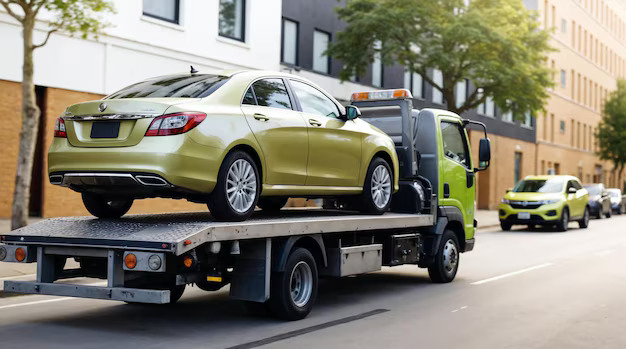
Many people choose to scrap their old or damaged vehicles because it’s a convenient way to earn cash and free up space. However, one common question sellers often wonder is: What actually happens to a car after it has been scrapped?
The process is far more detailed and environmentally responsible than many realise. Modern automotive recycling is designed to reuse and repurpose as much material as possible—reducing waste, protecting the environment, and supporting the circular recycling economy.
In this blog, we break down the complete journey of a vehicle from the moment it’s collected to its transformation into reusable materials and components.
Step 1 — Vehicle Inspection & Documentation
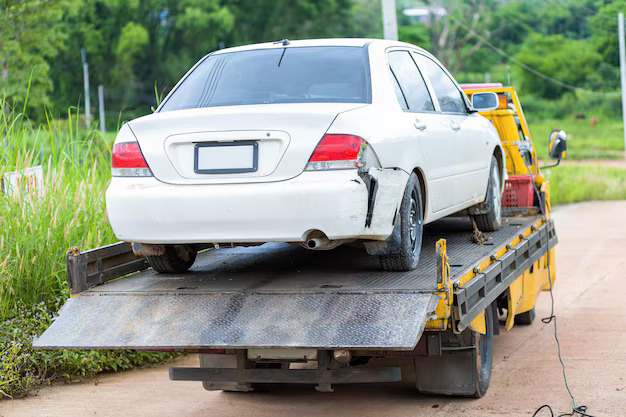
BeforOnce your car is booked for pickup, the recycling team performs a basic inspection and verifies ownership documents. This ensures the vehicle is legitimate, and the handover is recorded properly for legal and environmental compliance. In some cases, certain parts or features are identified for resale or reuse before dismantling begins.
This step also helps determine the initial salvage value and the most efficient recycling approach, depending on the car’s condition.
Step 2 — Safe Fluid & Hazardous Material Removal
If certain parts of your car are still in good condition, selling them separately can help you earn more than scrappinstored. These include:
- Engine and transmission oil
- Coolant and radiator fluids
- Brake and steering fluids
- Air conditioning gases
- Petrol or diesel
- Battery acids
Improper disposal of these substances could be extremely harmful to the environment. A responsible scrap facility ensures that each material is safely collected, purified, recycled, or disposed of without causing pollution.
Step 3 — Removal of Reusable and Valuable Parts
HaNext, useful components that are still in working order are carefully removed. These parts often include:
- Engines, radiators, alternators, and starters
- Batteries
- Doors, mirrors, glass, and seats
- Wheels, tyres, rims, and interior trims
- Entertainment systems and electronic modules
These items are cleaned, tested, and sold for reuse as affordable replacement parts. This step significantly reduces the need for new manufacturing and helps keep car maintenance costs lower for many buyers.
Step 4 — Dismantling and Separation of Materials
Once salvageable parts are removed, the remaining structure is dismantled into different material types. Modern cars are composed of various materials such as:
- Steel and iron
- Aluminium
- Plastic and rubber
- Copper wiring
- Glass
These materials are separated so they can be processed individually. Recycling facilities use advanced machinery and magnetic systems to sort metals efficiently and ensure minimal waste
Step 5 — Metal Shredding and Processing
The remaining vehicle body is fed into large shredding machines that break it down into smaller pieces. These shredded metal materials are then further sorted and cleaned before they move on to smelting facilities.
Steel and aluminium are melted down and reshaped for use in:
- Construction
- Manufacturing
- New cars and vehicle parts
- Household products and appliances
The recycling of metal consumes far less energy than mining and processing new raw materials, making this an eco-friendly and sustainable option..
Step 6 — Environmentally Responsible Disposal of Unusable Waste
Not every component of a vehicle can be reused or recycled. Items like heavily contaminated plastics or damaged rubber components are disposed of using environmentally safe methods. Advanced waste treatment systems reduce the amount of material sent to landfills and minimise harmful emissions.
Why Vehicle Recycling Matters
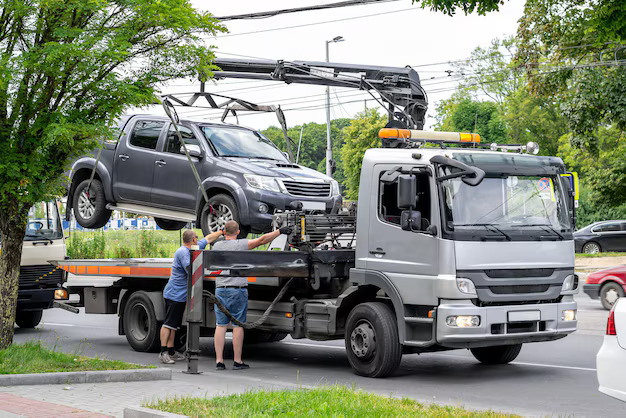
Scrapping and recycling cars provide major environmental and economic benefits such as:
- Reducing landfill waste
- Decreasing demand for new raw material production
- Lowering carbon emissions and energy consumption
- Providing affordable car parts to the public
- Creating employment opportunities within the recycling sector
In some regions, up to 80–90% of a scrapped vehicle is recyclable, which demonstrates the value of choosing responsible automotive recycling.
The Journey from Old Car to Reusable Material
To summarise, here is the lifecycle of a scrapped vehicle:
- Pickup & documentation
- Depollution and fluid removal
- Salvage of usable parts
- Dismantling into recyclable material categories
- Shredding and metal recovery
- Repurposing materials into new products
What starts as an unwanted or idle vehicle can eventually be reborn as new metal products, new auto parts, or even a brand-new car.
Final Thoughts
Scrapping your car is more than just disposing of an old vehicle—it supports a powerful recycling system that transforms waste into valuable resources. By choosing responsible car recycling, you not only earn cash but also contribute to environmental sustainability and resource conservation.
Understanding this process also ensures transparency, helping vehicle owners feel confident that their car is handled correctly and responsibly from start to finish.